Engineering Desk · Unit I Vasai Phata

Sheet Metal
Fabrication Blog

CNC Guides · Material Science · Process Briefs · Mumbai Steel Market · Vasai Production Floor

Technical guides and process briefs on sheet metal fabrication written from the Unit I Vasai Phata production floor — covering fiber laser cutting parameters, CNC press brake bending sequences, power press stamping die selection, 7-tank powder coat pre-treatment, and steel grade selection across HR IS 2062, CR IS 513, GI IS 277, and SS 304/316. Published by the Aero Enterprises engineering desk for OEM procurement teams, fabrication engineers, and sheet metal job work buyers across Mumbai, Thane, Palghar, and pan-India.

What Is Sheet Metal Manufacturing and How Does It Work?
sheet metal process
9 min read Engineering Desk

What Is Sheet Metal Manufacturing and How Does It Work?

Sheet metal manufacturing is the industrial process of converting flat metal sheets into finished components through cutting, punching, bending, and forming operations. It forms the backbone of electrical enclosures, automotive brackets, HVAC systems, and heavy machinery structures.

Read Technical Brief
Sheet Metal Laser Cutting: The Complete Guide for Indian Fabricators
sheet metal laser cutting
10 min read Engineering Desk

Sheet Metal Laser Cutting: The Complete Guide for Indian Fabricators

Laser cutting is the most precise sheet metal cutting process available in industrial fabrication today. But precision is only as useful as the decisions made before the laser fires: material grade, sheet flatness, kerf compensation, assist gas selection, and nesting efficiency. Fabricators who treat laser cutting as a commodity service and ignore these variables are paying for precision they are not actually receiving.

Read Technical Brief
Sheet Metal for Fabrication: When to Use HR vs CR Steel in India
sheet metal fabrication
9 min read Engineering Desk

Sheet Metal for Fabrication: When to Use HR vs CR Steel in India

Most fabricators in India default to whatever grade is cheapest or most available on the day of the order. That works until a weld warps, a powder coat delaminates at six months, or a client returns a full batch. The HR vs CR decision is not a price decision. It is a process-matching decision that needs to happen before the first cut, not after the first rejection.

Read Technical Brief
Flood Light Mounting Bracket Manufacturing: Sheet Metal Fabrication Guide
flood light mounting bracket
10 min read Engineering Desk

Flood Light Mounting Bracket Manufacturing: Sheet Metal Fabrication Guide

A flood light mounting bracket is one of the most mechanically stressed components in any outdoor lighting installation. It carries the full dead weight of the fixture, absorbs wind load continuously, and sits exposed to UV, rain, and coastal salt air for a service life measured in decades. Most procurement decisions for flood light brackets are made on price per piece. The correct decision is made on material grade, coating system, bend geometry, and fabrication process. A bracket that fails at 18 months in an outdoor installation is not a cheap bracket. It is an expensive one.

Read Technical Brief
Wall Unit Folder Bracket Manufacturing: Sheet Metal Stamping Guide
wall unit folder bracket
9 min read Engineering Desk

Wall Unit Folder Bracket Manufacturing: Sheet Metal Stamping Guide

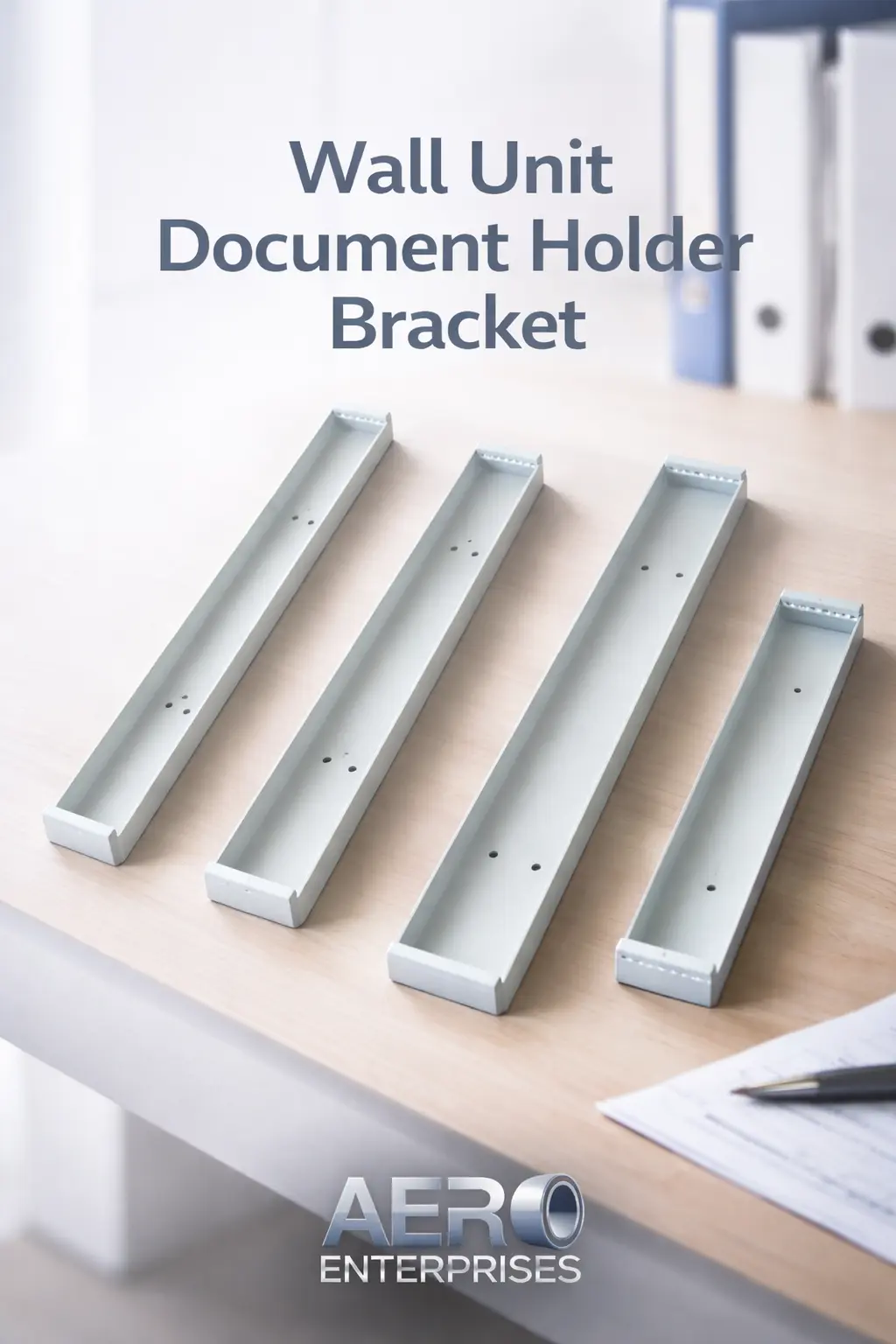
A wall unit folder bracket is one of those components that nobody thinks about until it fails. It carries the static weight of loaded document folders every day, takes repeated dynamic loading every time a folder is removed or replaced, and sits on a wall unit that may be moved, reinstalled, and reconfigured multiple times over its service life. Most buying decisions for folder brackets are made on unit price alone. The correct decision is made on sheet thickness, die geometry, mounting hole pattern, and powder coat system. A bracket that deforms at 6 months or whose coating chalks off in a year is not a cost saving. It is a replacement cost plus downtime.

Read Technical Brief
From Flat Sheet Metal to Precision Component: How Aero Enterprises Does It
power press stamping
11 min read Engineering Desk

From Flat Sheet Metal to Precision Component: How Aero Enterprises Does It

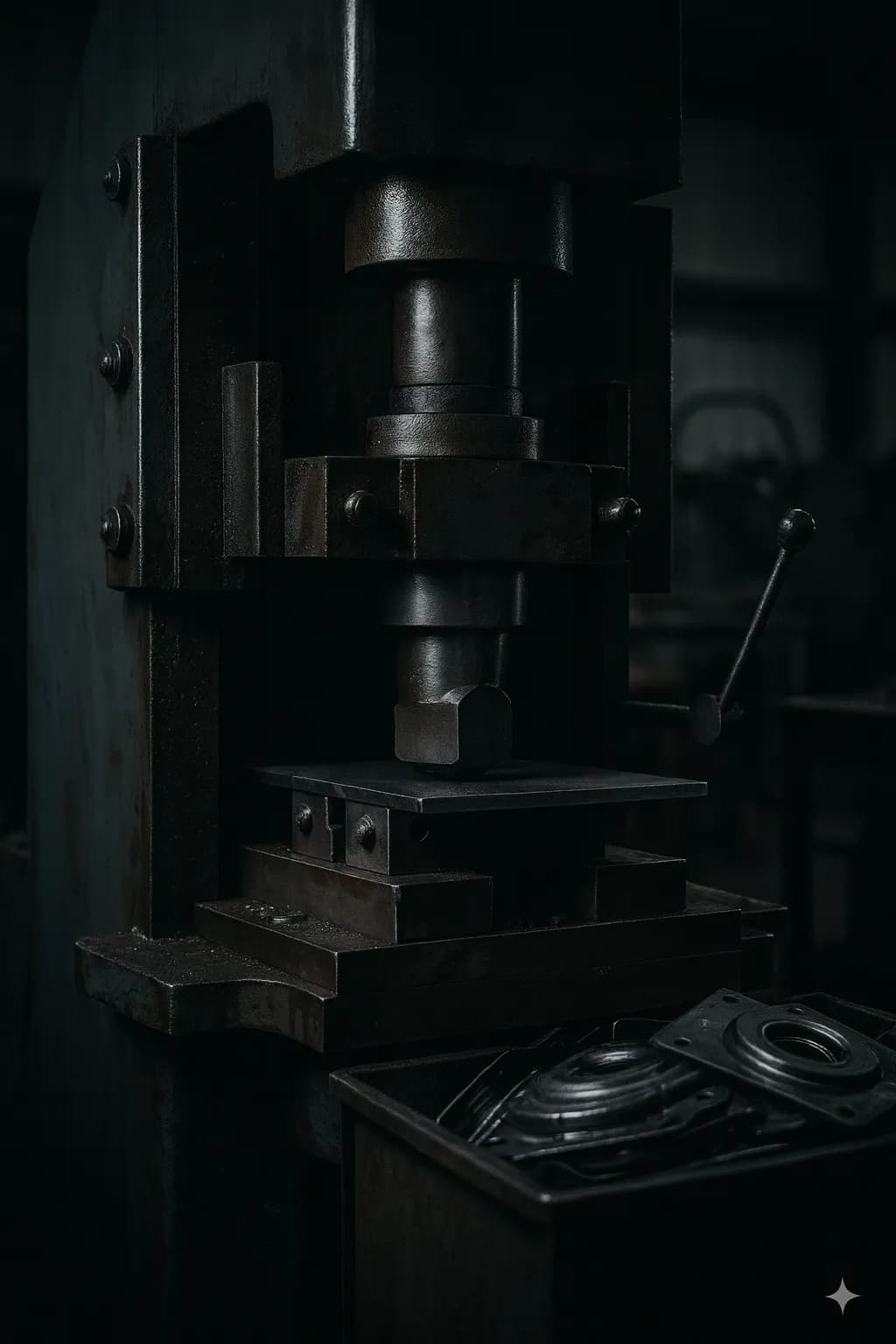
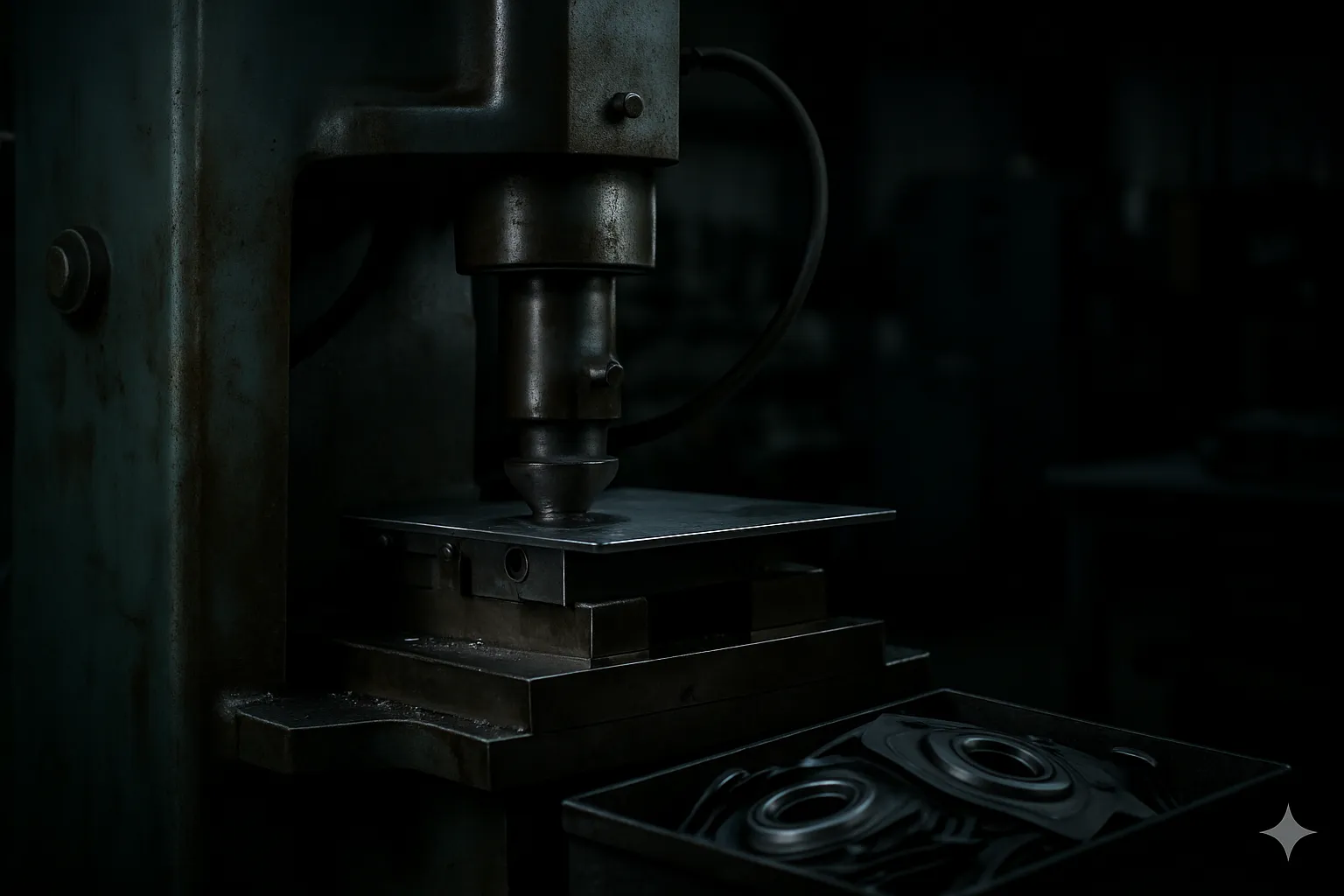
A flat sheet of mild steel sitting in the stockyard at Aero Enterprises Unit II Dhumal Nagar has no value to a client. The value is created at Unit I Vasai Phata, where that sheet goes through a defined sequence of power press stamping, CNC bending, and punching operations to become a finished precision component that fits a specific assembly, carries a specific load, and meets a specific dimensional tolerance. That transformation is not a series of independent steps. It is a production system. Understanding how that system works, what each process contributes, and where the failure points are is the difference between a client who gets consistent precision parts and one who gets consistent rejections.

Read Technical Brief
How Saddle Pipe Clamps Are Made Using Power Press Stamping
saddle pipe clamp manufacturing
10 min read Engineering Desk

How Saddle Pipe Clamps Are Made Using Power Press Stamping

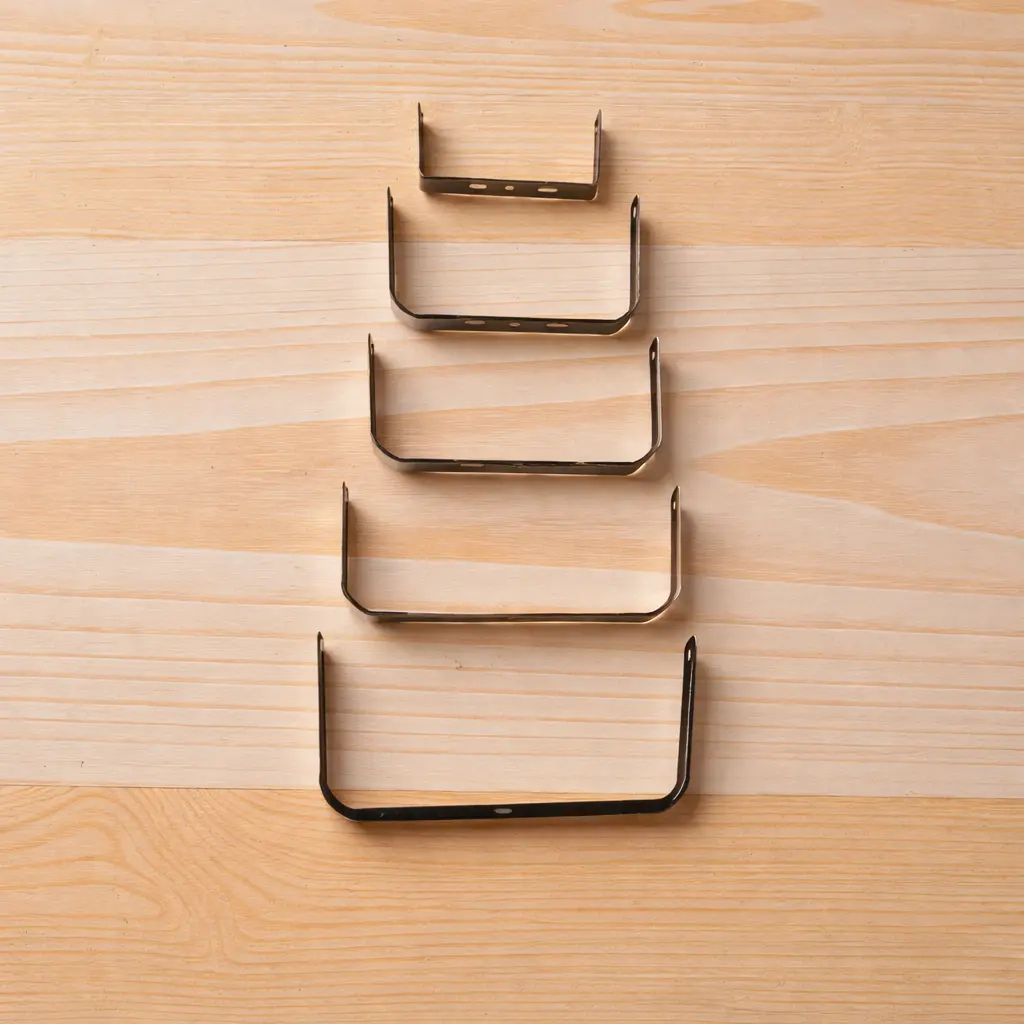
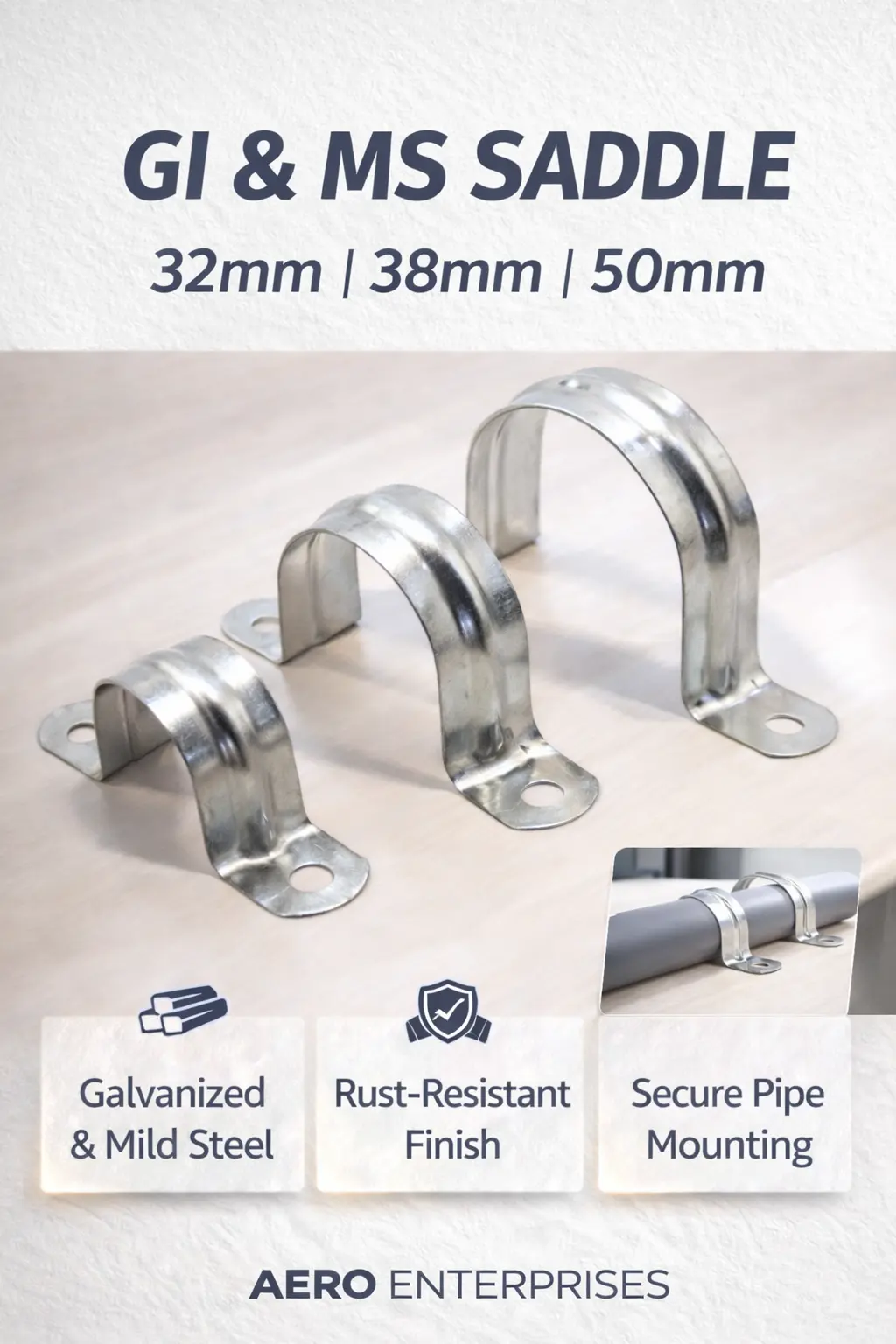
A saddle pipe clamp looks like one of the simplest components in any building or industrial installation. A U-shape bend, two mounting holes, a painted or galvanized finish. Most procurement decisions treat it exactly that way, a commodity item bought on price per piece with no specification depth. That approach works until a clamp deforms under pipe weight, corrodes through at 18 months in a wet riser shaft, or pulls away from the wall because the mounting hole punched undersized for the fastener. At Aero Enterprises Unit I Vasai Phata, saddle pipe clamps are not treated as commodity stampings. They are treated as structural hardware components where the die geometry, material grade, hole pattern accuracy, and coating system determine whether the clamp performs for 10 years or fails at 18 months.

Read Technical Brief
L Patti Manufacturing: How Steel Corner Brackets for Furniture Are Made
L patti manufacturing
9 min read Engineering Desk

L Patti Manufacturing: How Steel Corner Brackets for Furniture Are Made

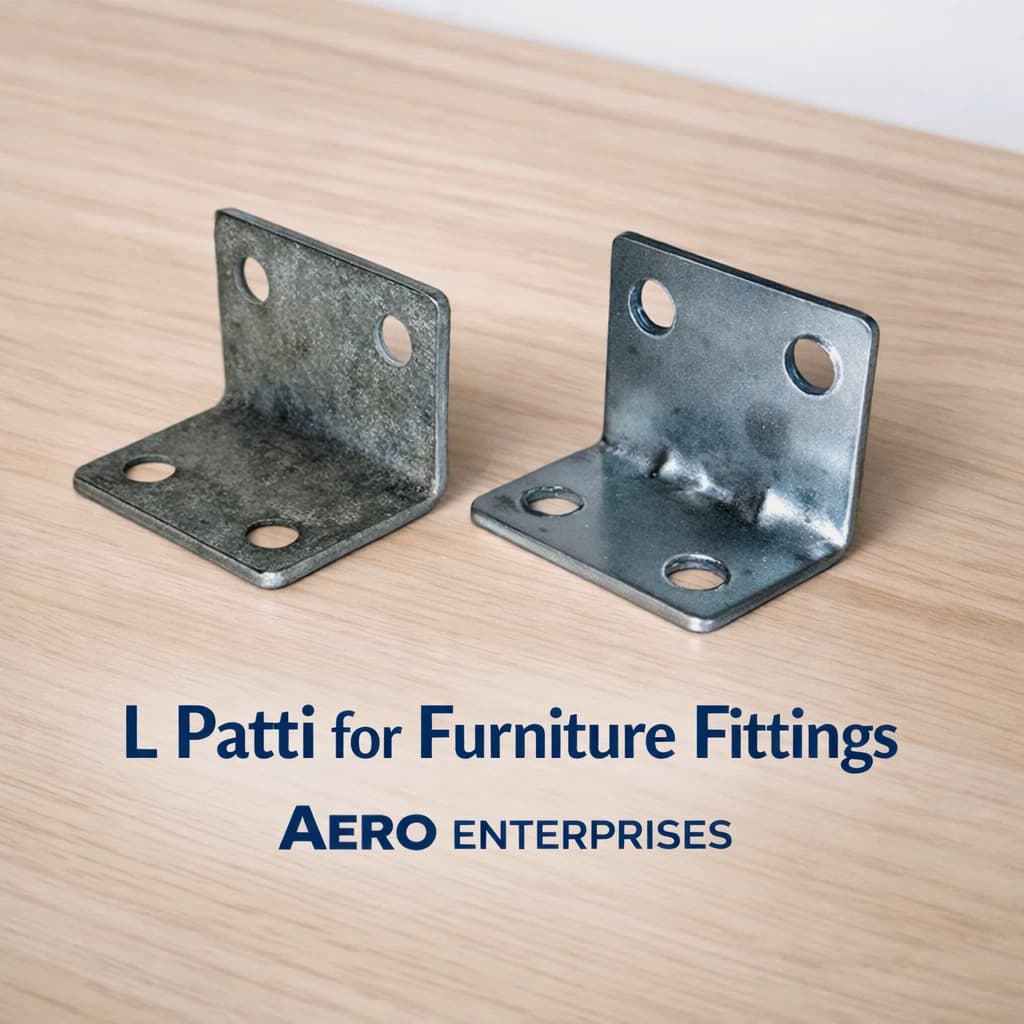
An L patti is one of the most structurally critical components in a wooden furniture assembly and one of the most consistently under-specified. Furniture manufacturers across India source corner brackets on unit price alone, without specifying sheet thickness, hole pattern accuracy, bend radius, or coating system. The result is brackets that deform under joint load, loosen at 12 months, and generate warranty returns that cost multiples of the original hardware saving. At Aero Enterprises Unit I Vasai Phata, L patti corner brackets are manufactured as precision stamped and powder coated structural hardware, not as commodity press shop output.

Read Technical Brief

FAQ

Fabrication Questions Answered

Common questions on sheet metal processes, materials, and tolerances — answered from the Unit I production floor.

What topics does the Aero Enterprises fabrication blog cover?

The Aero Enterprises blog covers practical sheet metal fabrication topics from the Unit I Vasai Phata production floor: fiber laser cutting tolerances and material limits, CNC press brake bending sequence and angle compensation, power press stamping die selection, powder coating pre-treatment and adhesion compliance, HR vs CR steel grade selection for fabrication, Mumbai and Kalamboli steel market price trends, and component-level case studies on brackets, clamps, and enclosures manufactured at Unit I.

What is the difference between HR and CR sheet metal for fabrication?

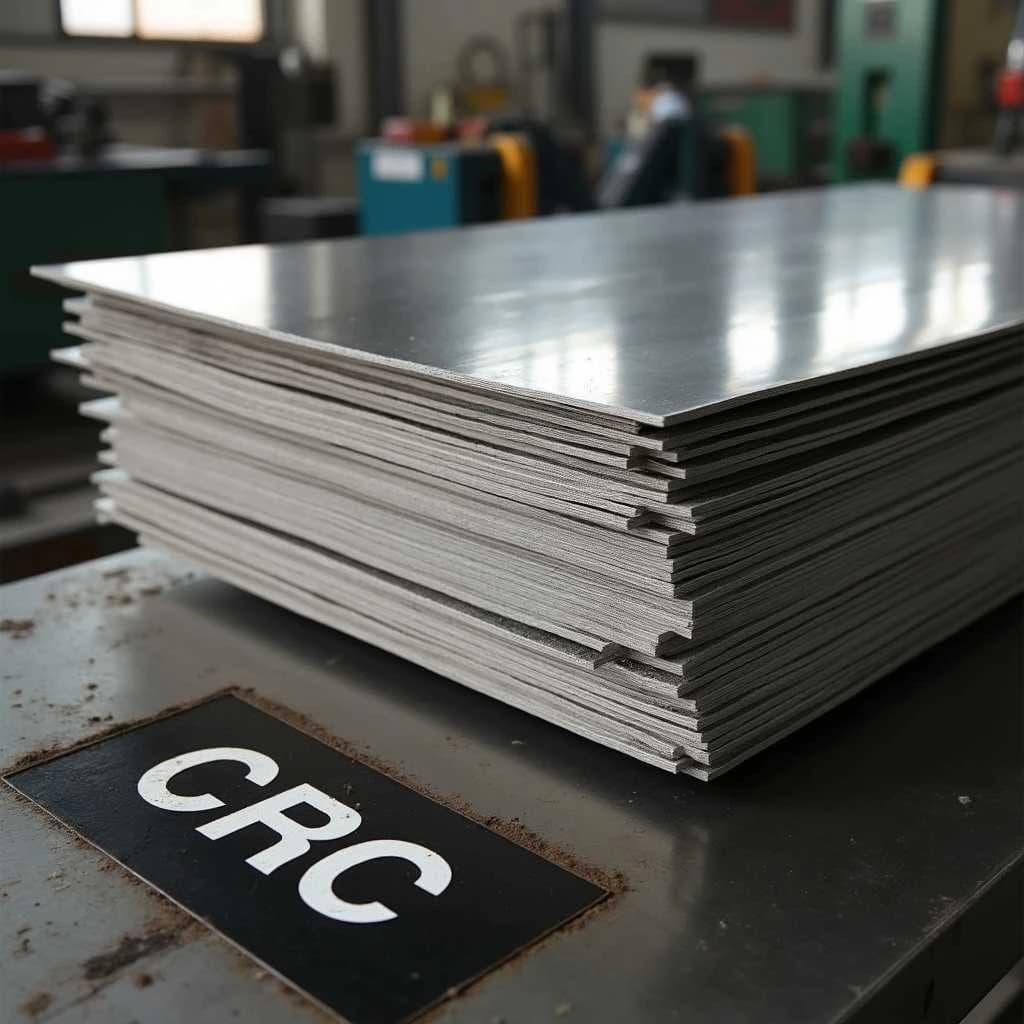
HR (Hot Rolled) sheet to IS 2062 is used for structural components, weldments, and frames where surface finish is not critical — it is more cost-effective and easier to weld. CR (Cold Rolled) sheet to IS 513 (CQ, DQ, DDQ) is used for stamped components, precision-bent enclosures, and powder-coated consumer-facing parts where tight dimensional tolerance, smooth surface finish, and consistent gauge are required. CR DDQ (Deep Drawing Quality) is specified for deep-draw stamping operations. The correct grade depends on the component geometry, tolerance requirement, and finishing process.

What thickness can the 3000W fiber laser at Aero Enterprises cut?

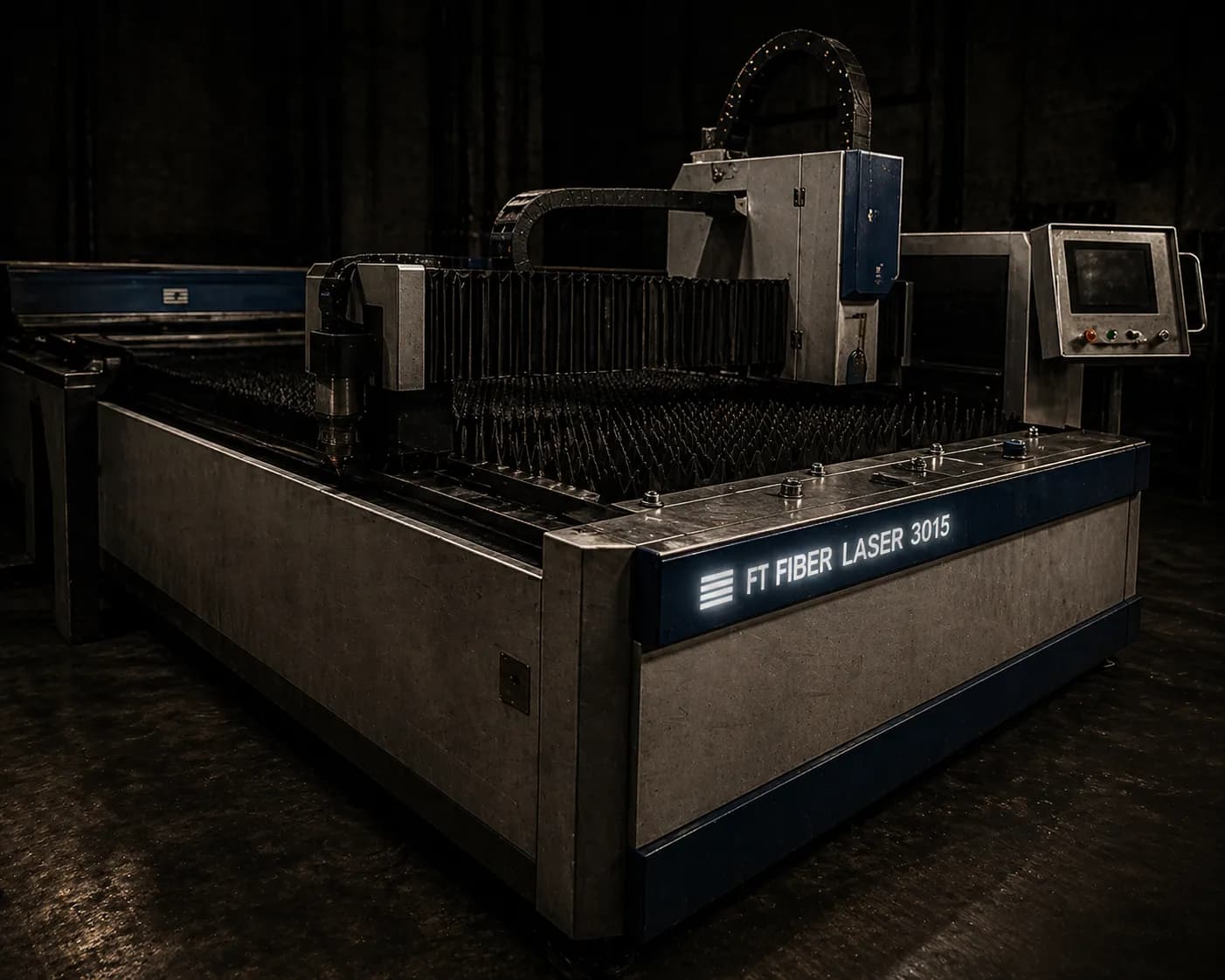
The 3000W fiber laser at Unit I Vasai Phata cuts Mild Steel (MS) up to 20mm, Stainless Steel (SS 304/316) up to 12mm, Galvanized Iron (GI) up to 4mm, Aluminium up to 8mm, and Brass and Copper up to 6mm. Positional accuracy is ±0.1mm on a 1500×3000mm bed. Nitrogen assist gas is available for oxide-free edges on SS and aluminium, delivering powder coat-ready surfaces without intermediate grinding.

How does 7-tank powder coat pre-treatment work?

The 7-tank pre-treatment line at Unit I Vasai Phata runs components through: alkaline degreasing, hot water rinse, cold water rinse, iron phosphate conversion coating, cold water rinse, passivation, and a final deionised water seal — before electrostatic powder application and curing. The phosphate conversion layer is the critical adhesion step: it creates a micro-crystalline anchor profile on the steel surface that the powder coat bonds to. Without this step, powder coat adhesion fails the cross-hatch test (ASTM D3359). Aero Enterprises verifies Class 5B cross-hatch adhesion compliance on every production batch.

What is the minimum bend radius for CR sheet metal?

The minimum inside bend radius for CR IS 513 sheet metal is typically 0.5× to 1× the material thickness for CQ grade, and 0.5× material thickness for DDQ grade when bending across the rolling direction. Bending parallel to the rolling direction requires 1× to 1.5× the thickness minimum to avoid cracking. The CNC press brake at Unit I achieves ±0.5° angular repeatability — critical for multi-bend enclosures and brackets where cumulative angular error compounds across each bend station.

The Aero
Engineering Desk

Weekly analysis of the Kalamboli steel market and Vasai fabrication cluster — helping Tier-1 OEM procurement teams navigate 2026 pricing volatility with material-grade-specific data from our Unit II Dhumal Nagar stockyard.

Local Market Data

Kalamboli & Darukhana

Live Trends

Daily MS / SS / GI Rates

Intelligence Verticals

Price Influencers

Global iron ore vs. Mumbai logistics and port duty cycles.

Supplier Verification

How to validate MTC authenticity and GST compliance on steel consignments.

Metallurgy & Grade Selection

HR → CR → PO laser-grade: when and why to upgrade the spec.

Process Engineering

Die design, bend sequence, and coating adhesion from the production floor.

Explore Core Capabilities

The processes covered in our technical briefs — available as job work and material supply from Unit I and Unit II Vasai East.

One Floor. Every Process.

Our blog covers the theory — Unit I runs the production. 20 power presses, 3000W fiber laser, CNC press brake, and 7-tank powder coat. Request a fabrication quote directly from the floor.

Mill Test Certificates (MTC) Available Upon Request